

PCB Board

PCB Board
A PCB (Printed Circuit Board) Board is a crucial component used to distribute stable and reliable electrical power across various parts of an electronic system. It is designed with high-quality copper tracks, multiple layers, and durable insulating materials that ensure smooth current flow without overheating or signal interference. PCB supply boards often include voltage regulators, connectors, fuses, and filtering components to manage power fluctuations and protect sensitive electronic circuits. Their precise layout helps reduce electrical noise, improves system efficiency, and enhances the overall lifespan of devices. These boards are widely used in industrial machines, control panels, automotive electronics, and consumer devices where consistent and safe power delivery is essential.
A Complete Overview of PCB Board Types

High-Current PCB Supply Board

Multi-Layer PCB Supply Board
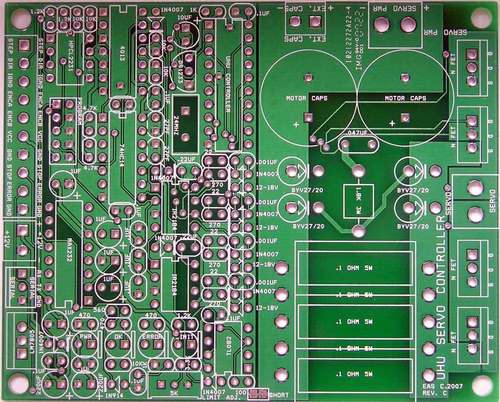
Double-Layer PCB Supply Board

Single-Layer PCB Supply Board
Reliable PCB Solutions for Modern Electronics

- PCB stands for Printed Circuit Board, used to mechanically support and electrically connect electronic components.
- It uses copper tracks instead of wires to create electrical paths.
- PCBs are made from insulating materials like FR4, with a copper layer laminated on top.
- They help reduce wiring errors and ensure compact and clean circuit design.
- PCBs can be single-layer, double-layer, or multi-layer depending on complexity.
- They provide high reliability and long-term durability for electronic devices.
- Surface Mount Technology (SMT) and Through-Hole Technology (THT) are the two major component mounting methods.
- PCBs help in high-speed and high-frequency applications by minimizing interference.