

Aluminum Heat Sink
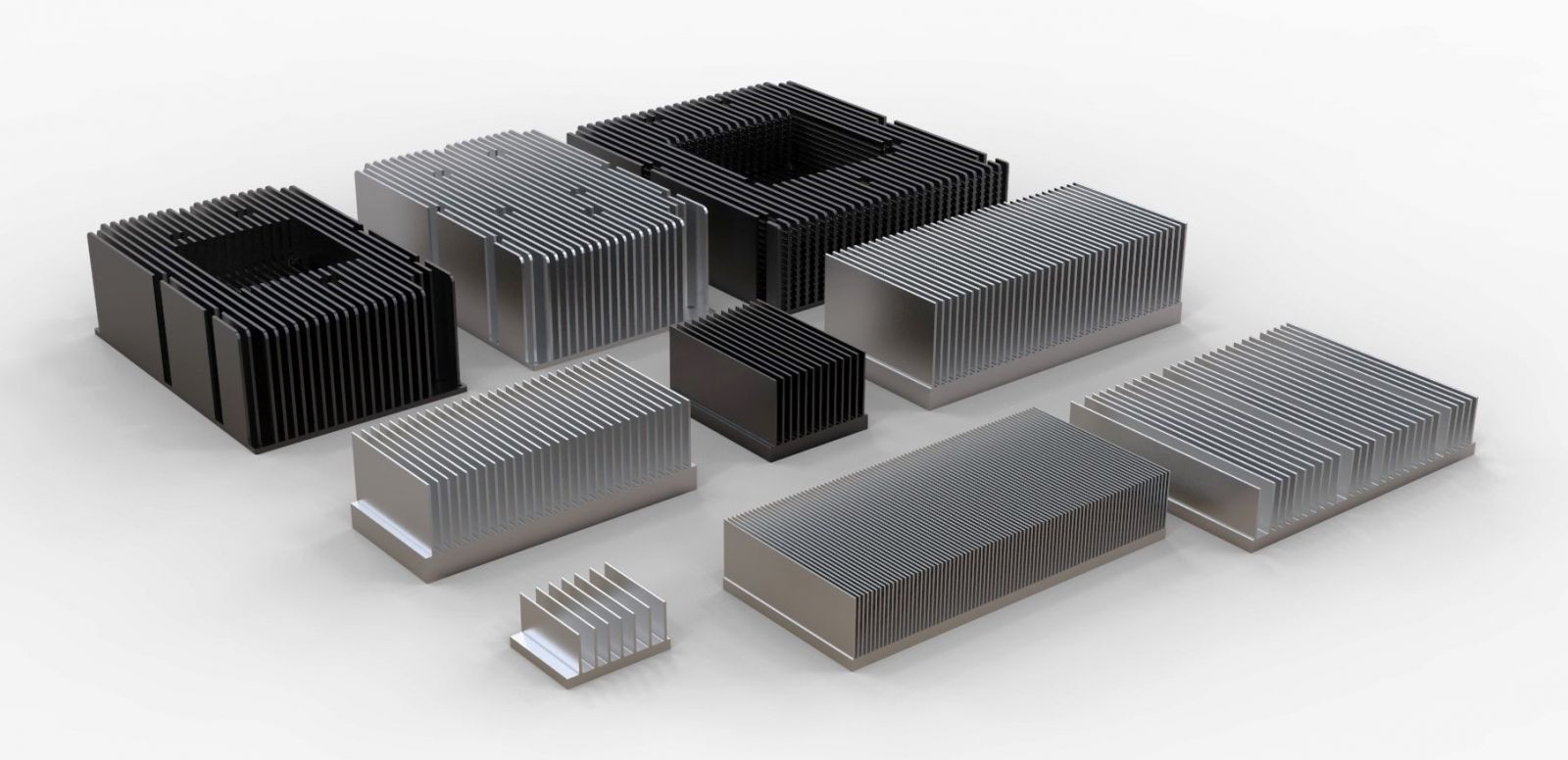
Aluminum Heat Sink
An Aluminum Heat Sink is a thermal management device designed to dissipate heat generated by electronic components such as CPUs, power transistors, LEDs, and industrial machinery. Made primarily from high-quality aluminum due to its excellent thermal conductivity and lightweight nature, these heat sinks efficiently transfer heat away from sensitive components, preventing overheating and ensuring optimal performance. Their design often includes fins, grooves, or pins to increase surface area, enhancing airflow and heat dissipation. Aluminum heat sinks are corrosion-resistant, durable, and cost-effective, making them ideal for a wide range of applications, from consumer electronics and computer systems to power supplies and LED lighting systems. By maintaining safe operating temperatures, they prolong the lifespan of components, improve system stability, and reduce the risk of thermal failure.
A Complete Overview of Aluminum Heat Sink Types

Skived Aluminum Heat Sink

Bonded or Fabricated Aluminum Heat Sink

iForged Aluminum Heat Sink

Extruded Aluminum Heat Sink
Reliable Thermal Management with Aluminum Heat Sinks

- Excellent Heat Dissipation – Aluminum efficiently absorbs and releases heat, keeping components cool.
- Lightweight Material – Offers strong thermal performance without adding unnecessary weight.
- Cost-Effective Solution – More affordable than copper while delivering reliable cooling efficiency.
- Corrosion Resistant – Natural oxidation and protective coatings improve durability.
- High Thermal Conductivity – Ensures stable temperature control for electronic and electrical devices.
- Easy to Manufacture – Aluminum is simple to shape, machine, and extrude into complex cooling designs.
- Ideal for High-Power Components – Perfect for CPUs, power modules, LED lights, and industrial electronics.
- Improves Device Lifespan – Reduces overheating and stress on components, extending their longevity.